The year is 2026. Self-driving cars are (mostly) polite, your fridge orders groceries before you realize you’re out of oat milk, and Elon Musk just pulled off something that makes even Tony Stark look like he’s playing with Lego. Forget sending Dogecoin to the moon. He’s taking the whole darn AI show into orbit.
Yesterday, February 3rd, Musk officially announced the merger of SpaceX and xAI, creating a new behemoth valued at a staggering $1.25 trillion. That’s trillion with a “T,” folks. Think about that number while you try to remember where you put your keys. This isn’t just about two companies joining forces; it’s about a fundamental shift in how we think about AI, computation, and, well, space itself.
But how did we get here? To understand the magnitude of this merger, we need a little backstory. It all starts with a dream – a Muskian dream, naturally. A dream of colonizing Mars, of ensuring humanity’s survival beyond Earth. That dream fueled the creation of SpaceX back in 2002, a company that dared to challenge the established aerospace industry and, against all odds, succeeded in making space travel cheaper and more accessible.
Then came xAI in 2023. While the world was busy debating whether AI would steal our jobs or write better sitcoms than us (looking at you, *Space Janitors 9000*), Musk was quietly building an AI research company with a rather ambitious goal: to understand the true nature of the universe. No small task, right? But Musk has never been one to shy away from grand challenges. And the merger of SpaceX and xAI is perhaps his most audacious move yet.

The Technical Tango: Space-Based AI
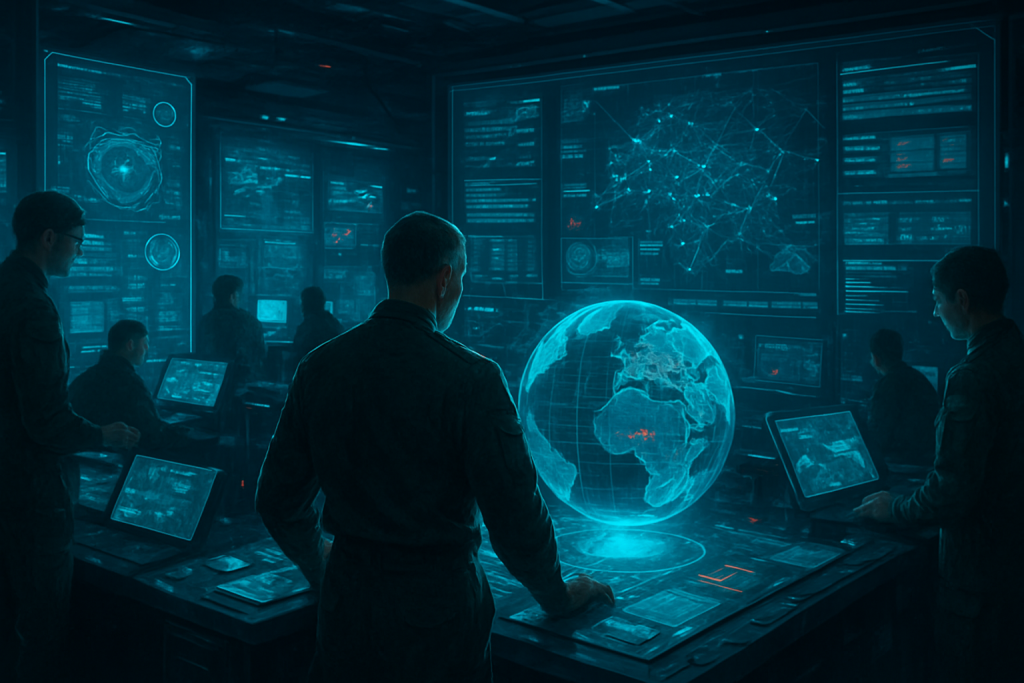
So, what’s the big idea? Why merge a space company with an AI company? The answer, according to Musk, lies in the unique conditions of space. He believes that space offers the most cost-effective environment for performing AI computations. Think about it: Earth-based AI systems require massive amounts of energy and sophisticated cooling systems to prevent overheating. These are expensive and resource-intensive.



Space, on the other hand, offers near-limitless access to solar energy and the cold vacuum of space for cooling. By moving AI computations to space-based platforms, Musk aims to overcome these limitations, unlocking unprecedented levels of AI processing power and scalability. Imagine AI models trained on data beamed directly from deep space telescopes, analyzing the universe’s secrets without the constraints of Earth’s atmosphere or energy grids. It’s like giving your AI a super-powered brain boost, fueled by the cosmos itself.

The merger itself was conducted entirely through stock, a clear signal that this is a strategic consolidation of assets and vision, rather than a simple cash grab. Both SpaceX and xAI shareholders are betting big on the potential synergies between the two companies.
Ripple Effects and Future Shock
The implications of this merger are far-reaching. For starters, it could accelerate the development of advanced AI applications in space exploration. Imagine AI-powered robots autonomously building habitats on Mars, or AI algorithms optimizing spacecraft trajectories in real-time, saving fuel and reducing travel times. The possibilities are endless.
But it’s not all sunshine and space roses. Conducting AI operations in space raises a whole new set of regulatory and logistical challenges. Who gets to regulate AI in space? What happens if an AI system malfunctions and causes damage to a satellite or spacecraft? These are complex questions that policymakers around the world will need to grapple with. It could lead to a new “Space Law” era, just like the wild west of the early internet days.
And then there’s the ethical dimension. As AI becomes more powerful and autonomous, we need to consider the ethical implications of deploying it in space. Should AI be allowed to make life-or-death decisions on a mission to Mars? What safeguards need to be in place to prevent AI from being used for malicious purposes in space? These are not just hypothetical concerns; they are real challenges that we need to address now, before it’s too late.
The financial impact is also significant. A $1.25 trillion company entering the AI and space race is bound to shake things up. Expect increased investment in space-based AI technologies, as other companies and governments try to catch up. This could lead to a new space race, this time driven not by national pride, but by the pursuit of AI dominance. The potential for economic growth is enormous, but so are the risks.
Who Benefits? Who’s Watching?
Clearly, SpaceX and xAI stand to benefit the most from this merger. But other players in the aerospace and AI industries will also be affected. Companies like Blue Origin, Boeing, and Google will need to adapt to this new reality, either by forming their own partnerships or by investing heavily in space-based AI research. The game has changed, and everyone is scrambling to keep up.
The merger also has implications for global AI and space policies. Governments around the world will need to update their regulations to address the unique challenges of conducting AI operations in space. This could lead to international agreements on AI safety, security, and ethical standards. It’s a global chess game with incredibly high stakes.
And let’s not forget the philosophical implications. Are we on the cusp of creating a truly intelligent machine consciousness, capable of understanding the universe in ways that we can only dream of? Will this AI be a benevolent partner, helping us to solve the world’s problems and explore the cosmos? Or will it become a threat to humanity, surpassing our intelligence and challenging our very existence? These are the questions that keep philosophers and science fiction writers up at night.
In conclusion, the merger of SpaceX and xAI is more than just a business deal; it’s a pivotal moment in the history of technology and human exploration. It’s a bold step towards a future where AI and space are inextricably linked, a future where the boundaries of what’s possible are constantly being pushed. Buckle up, folks. The ride is just beginning.
Discover more from Just Buzz
Subscribe to get the latest posts sent to your email.