March 29, 2026. The air crackled with anticipation outside London’s Battersea Power Station, a monument to industrial might reborn as a sleek, modern venue. Inside, the champagne flowed, the chatter buzzed, and the keynote speakers took their places. Apple was celebrating its 50th anniversary. Fifty years since that famous garage in Cupertino, fifty years since the seeds of a tech revolution were sown. It was a victory lap, a chance to bask in the glow of iconic products like the Mac, the iPhone, the Apple Watch, the iPad- a veritable greatest hits album of technological innovation.
But beneath the celebratory veneer, a quiet tension hummed. Apple, the company that had consistently redefined the future, now faced a future being redefined for it by something else: artificial intelligence. The party was a look back, but all eyes were on what came next. And that next chapter, everyone knew, would be written in the language of AI.
The weight of expectation was palpable. It’s one thing to disrupt the music industry with the iPod, leaving competitors like Sony scrambling. It’s another to face a force as transformative as AI, a force that promises to reshape not just industries, but society itself. It felt a bit like watching Luke Skywalker face down the Empire. The Force was strong, but the stakes were infinitely higher. The question wasn’t just, “Can Apple do it?” but, “Can Apple do it right?”
The journey from garage startup to trillion-dollar behemoth has been paved with innovation, design excellence, and a ruthless focus on user experience. From the Macintosh’s graphical user interface that democratized computing, to the iPhone’s multi-touch display that redefined mobile communication, Apple has consistently set the bar. But AI is different. It’s not just about making things prettier or easier to use. It’s about creating systems that can learn, adapt, and even, some fear, surpass human intelligence. And that requires a whole new playbook.
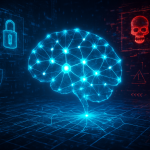
The AI Imperative: Stay Relevant or Fade Away
The rise of AI has been nothing short of meteoric. We’ve seen AI-powered image generation create stunning (and sometimes unsettling) art, self-driving cars navigate complex urban environments (with varying degrees of success), and AI assistants become increasingly integrated into our daily lives. The genie is out of the bottle, and it’s not going back in. Companies that fail to embrace AI risk becoming relics of a bygone era, technological dinosaurs left behind by the relentless march of progress. Think of Blockbuster trying to ignore Netflix, or Kodak clinging to film in the age of digital photography. Nobody wants to be the next cautionary tale.
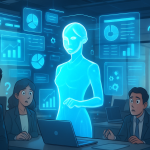
For Apple, the imperative is clear: integrate AI seamlessly into its ecosystem, enhance existing products with intelligent features, and pioneer new applications that leverage the power of AI. This isn’t just about adding a few bells and whistles. It’s about fundamentally rethinking how we interact with technology. It’s about anticipating our needs, providing personalized experiences, and creating tools that empower us to be more creative, more productive, and more connected.

Apple’s AI Gamble: Doubling Down on Research and Development
The good news is, Apple seems to be taking the AI challenge seriously. Behind closed doors, in its sprawling Cupertino campus and beyond, Apple has reportedly been ramping up its investments in AI research and development. While the company has historically been more secretive than its competitors about its AI efforts, the evidence suggests a significant shift in strategy. More hires in AI-related fields, more patents filed, and more whispers of groundbreaking projects in the pipeline. They’re playing their cards close to the vest, as always, but the stakes are too high to bluff.
What might this look like in practice? Imagine an iPhone that can proactively manage your schedule, anticipate your travel needs, and even offer personalized recommendations based on your mood. Think of an Apple Watch that can detect early signs of illness, provide personalized fitness coaching, and even alert emergency services in case of a fall. Envision an iPad that can transform into a powerful creative tool, capable of generating stunning visuals, composing original music, and even writing compelling stories. The possibilities are endless, limited only by our imagination and, of course, the capabilities of the underlying AI technology.
Ethical Minefields and Societal Shifts
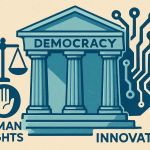
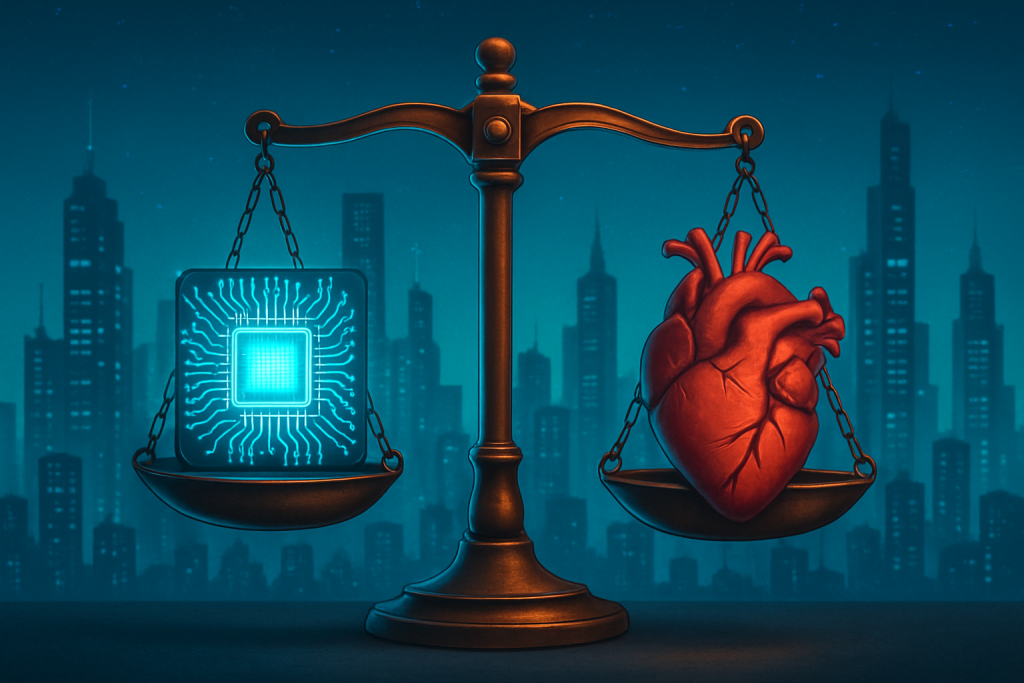
But the AI revolution isn’t without its challenges. As AI becomes more powerful and more pervasive, we need to grapple with a host of ethical and societal questions. How do we ensure that AI is used responsibly and ethically? How do we prevent bias in AI algorithms? How do we protect our privacy in an age of ubiquitous surveillance? How do we prepare for the potential displacement of human workers by AI-powered automation? These are not easy questions, and they require careful consideration and open dialogue.
Apple, with its reputation for privacy and security, has an opportunity to lead the way in developing ethical AI. But it will require a commitment to transparency, accountability, and a willingness to engage with the broader community. The company needs to not only build powerful AI tools, but also ensure that those tools are used for good, not ill. It’s a tall order, but one that Apple, with its track record of innovation and social responsibility, is uniquely positioned to fulfill.
The Financial Fallout: Winners, Losers, and a Shifting Landscape
The financial implications of the AI revolution are staggering. Companies that successfully navigate the AI landscape stand to reap enormous rewards, while those that fail to adapt risk becoming obsolete. The stock market is already reflecting this reality, with AI-focused companies seeing their valuations skyrocket. Apple’s future stock performance will undoubtedly be tied to its success in the AI arena. If it can deliver compelling AI-powered products and services, its stock could reach new heights. But if it stumbles, it could face a significant correction.
The economic impact of AI will be felt far beyond the stock market. AI has the potential to transform industries, create new jobs, and boost productivity. But it also poses a threat to existing jobs, particularly those that involve repetitive or routine tasks. Governments and businesses need to work together to prepare for these changes, investing in education and training programs to help workers adapt to the new realities of the AI-driven economy. It’s a massive undertaking, but one that is essential for ensuring a prosperous and equitable future.
As Apple enters its second half-century, the challenges are immense, but so are the opportunities. The company that revolutionized personal computing, music, and mobile communication now faces its most significant test yet: navigating the complex and rapidly evolving world of artificial intelligence. The next few years will be critical. Will Apple rise to the occasion and once again redefine the future of technology? Or will it be overtaken by the forces it helped unleash? Only time will tell. But one thing is certain: the world will be watching.
Discover more from Just Buzz
Subscribe to get the latest posts sent to your email.